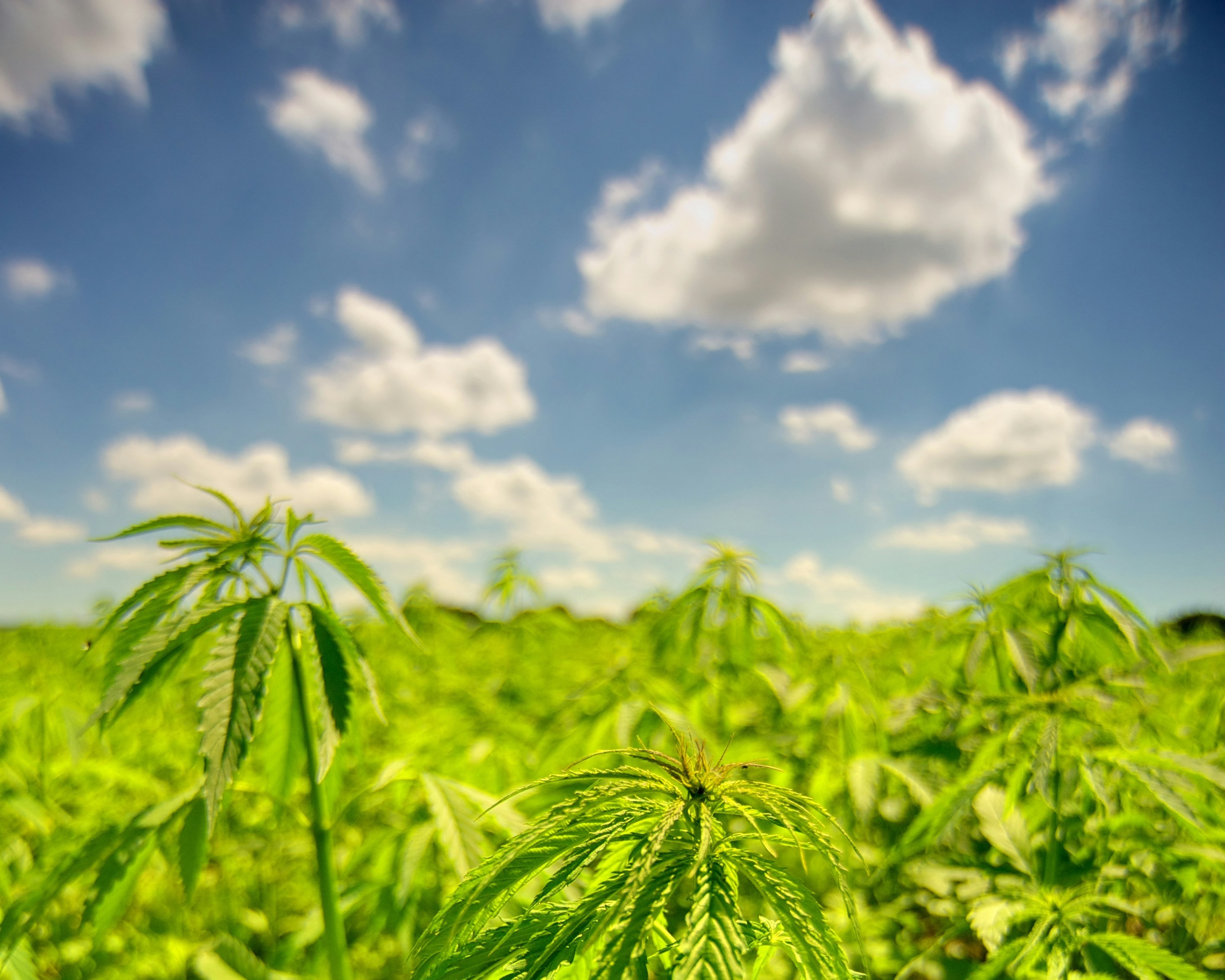
In November 2025, Congress slipped a new hemp definition into the spending bill, effectively banning most hemp-derived THC products starting in Nov. 2026. Under the old 2018 Farm Bill, “hemp” was cannabis with ≤0.3% Δ⁹‑THC. The new law changes that to ≤0.3% total THC (all THC forms, including Δ⁸, Δ¹⁰, etc.) and caps THC at 0.4 mg per package. In short, nearly all intoxicating hemp edibles, vapes, and tinctures will be illegal federally after 2026. As KCTV5 reports, the ban “goes into effect on Nov. 13, 2026” and essentially closes the “hemp loophole” by applying federal cannabis rules to these products.
Key Dates & Steps
Nov. 12, 2025: President Trump signed the federal funding bill that included the hemp provision. This set a 365‑day countdown.
Feb. 10, 2026: Agencies (FDA/USDA) must publish lists of all naturally occurring cannabinoids and define what counts as a “container” for the THC limit.
Nov. 13, 2026: Hemp ban goes live. After this date, any hemp product exceeding the new THC thresholds must be treated as marijuana under federal law.
Jan 2026: Congress moved to delay or revise. Bipartisan bills in the House and Senate (e.g. the “Hemp Planting Predictability Act”) were introduced to push the deadline back or allow more time for farmers. Watch for Capitol Hill developments through 2026.
Impact on Wichita and Kansas
Local businesses on alert: Wichita retailers and growers are already noticing the change. For example, many shops in Wichita-area was recently raided by KBI & ATF, underscoring how closely cannabis/hemp products are being watched. Under the new rule, even high-THC hemp products currently sold in Kansas shops could face legal issues.
Kansas hemp farming: Kansas allows hemp farming under federal programs (KDA/USDA). Local farmers growing hemp for CBD/THC extraction could lose their most profitable market. A regional NPR report notes most hemp is grown to extract cannabinoids – 65–75% of U.S. hemp – meaning Kansas growers could be hit hard. Without access to hemp‑derived THC markets, many farmers say they can only sell into fiber/seed markets, which are far smaller.
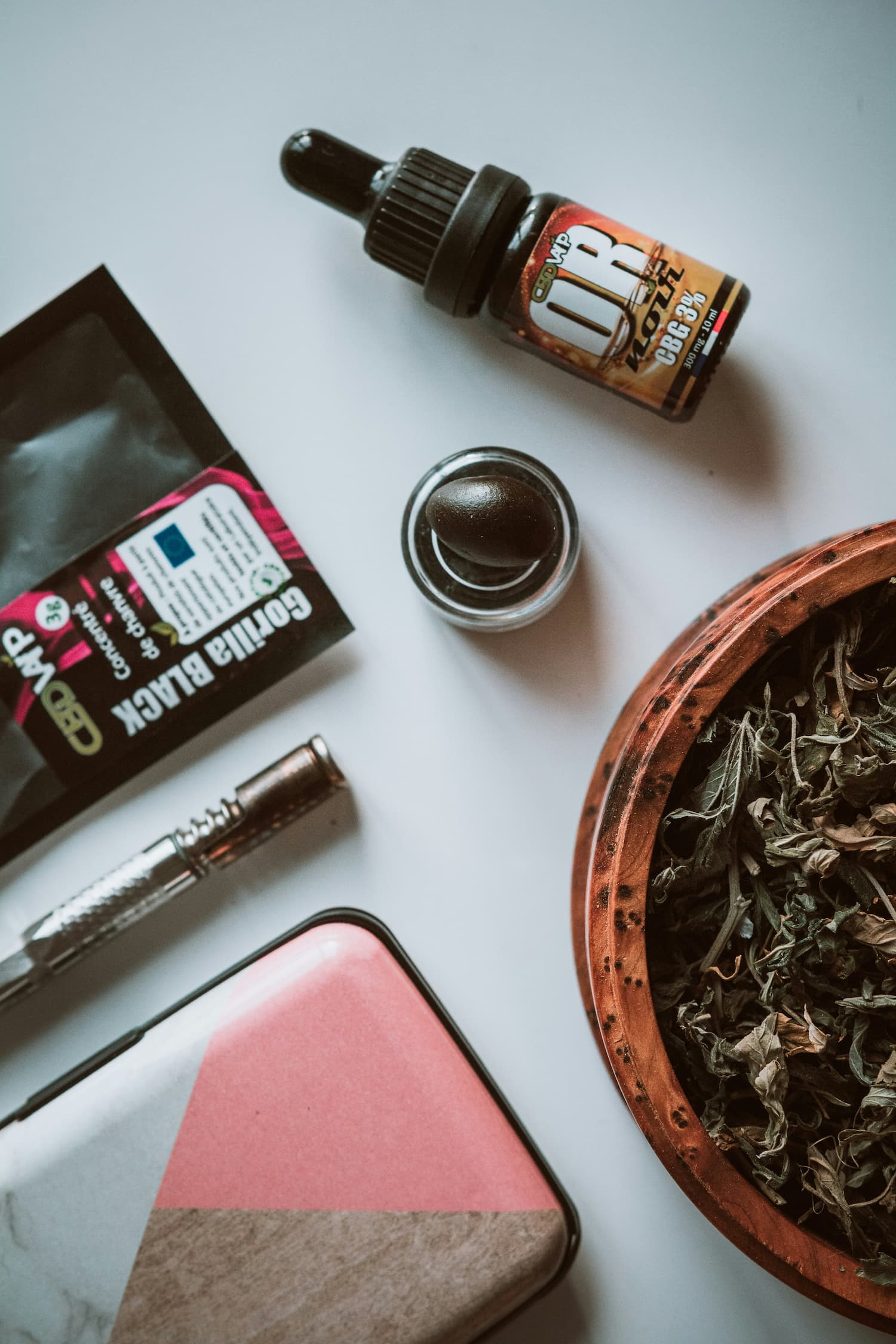
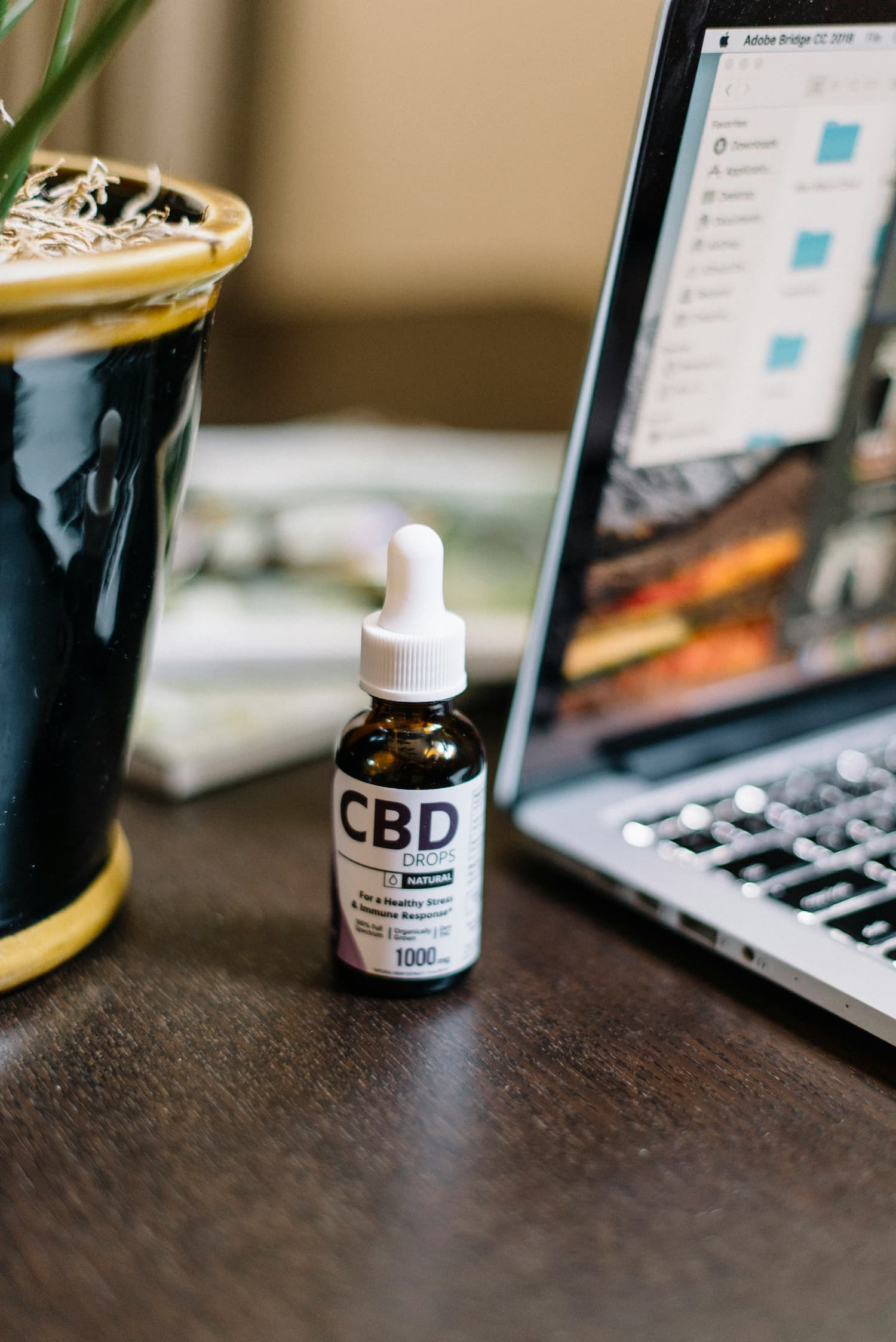
Consumer products: Wichita CBD shops will need to adjust. The U.S. Hemp Roundtable warns that most CBD oils and tinctures on shelves would exceed the 0.4 mg limit per container. Kansas consumers who buy full-spectrum CBD (with trace THC) may see those products disappear, unless they switch to CBD-only (broad-spectrum) alternatives.
Regulators & lawmakers: Kansas officials and farmers will have one year to prepare. The Kansas Dept. of Agriculture’s hemp board meets in Dec. 2025 to review production status (via USDA’s program). Local hemp advocates (like the Kansas Hemp Industries Association) may lobby for state-level rules or ask federal legislators to amend the law. Nationwide, industry groups like the U.S. Hemp Roundtable argue for regulation (not prohibition) to avoid unregulated black-market THC..
What the Industry Says
Market collapse concerns: Industry analysts estimate “over 95%” of current hemp‑derived THC products will vanish under the new rule. Convenience stores and online retailers that sold Δ⁸/Δ¹⁰ edibles and drinks (many based in Kansas City markets) face steep losses.
Quotes: Brett Mayo of Nebraska’s Sweetwater Hemp warns the change “would basically eliminate full-spectrum products,” forcing operators to rely only on THC-free CBD. Art Massolo of the U.S. Hemp Roundtable laments Congress’ approach, noting “Hemp is here to stay – let’s do it right.”.
Bottom Line: Kansas hemp farmers and CBD retailers should prepare now. The federal definition of hemp will tighten sharply on Nov. 13, 2026. Wichita stores like High Hopes ICT (and similar shops) will need to reformulate or discontinue any products with measurable THC. Keep an eye on Congress (and local legislation) — any delays or adjustments could still change the outcome. Until then, regulators have signaled that the 2026 hemp rule will be enforced, so local businesses should stay informed and consider switching to compliant, low-THC hemp products.
Sources: Federal law summaries and news reports; industry and local coverage; and Kansas agriculture guidance.